


Start With Your Horses: Understanding Manure Production
The Florida Horse Farm Owner's Guide to Sizing Your Manure Spreader
![[HERO] The Florida Horse Farm Owner's Guide to Sizing Your Manure Spreader](https://cdn.marblism.com/cLMdrDoy-TG.webp)
If you own a horse farm anywhere in Florida, you already know that managing manure is just part of the job. What separates an efficient operation from one that feels like constant work often comes down to having the right equipment. And when it comes to manure spreaders, size truly matters.
Choosing a spreader that is too small means you are making trip after trip across your property. Go too big, and you might find yourself struggling with equipment that your tractor or ATV cannot handle safely. The good news is that finding the perfect fit is not complicated once you understand the key factors involved.
Here at Ocala Tractor, we have helped countless horse farm owners throughout Ocala, Gainesville, The Villages, Lake City, and Orlando find the right manure spreader for their operations. Let us walk you through everything you need to know.
Start With Your Horses: Understanding Manure Production
Before you can pick the right spreader size, you need to understand how much manure your farm actually produces. This is where a little math goes a long way.
An average 1,000-pound stalled horse produces roughly 50 pounds of manure per day, which translates to about 2 cubic feet. Now, most Florida horse owners do not keep their horses stalled around the clock. If your horses spend 50 to 60 percent of their day turned out in the pasture, your daily manure collection drops by about the same percentage.
For example, if you have a horse that is stalled only half the day, you are looking at closer to 1 to 1.5 cubic feet of manure and bedding waste to deal with daily per horse. This might not seem like a huge difference for one or two horses, but it adds up quickly when you have a larger herd.
Take an honest look at your routine. How many horses do you have? How much time do they spend in stalls versus pastures? These answers form the foundation for choosing the right spreader capacity.
Sizing Your Spreader by Herd Size
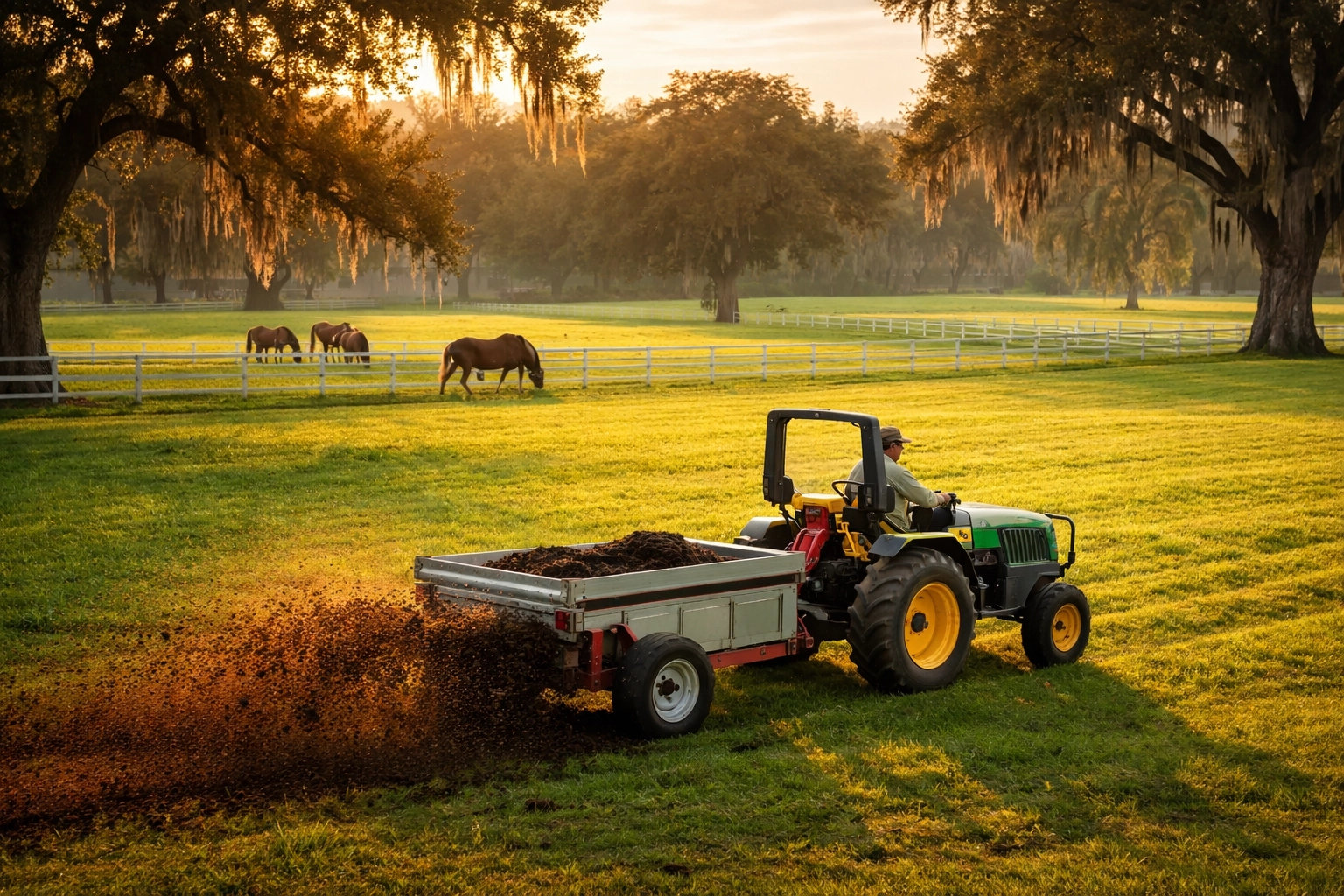
Once you know your manure output, matching it to the right spreader size becomes straightforward. Here are some general guidelines that work well for most Florida horse farms:
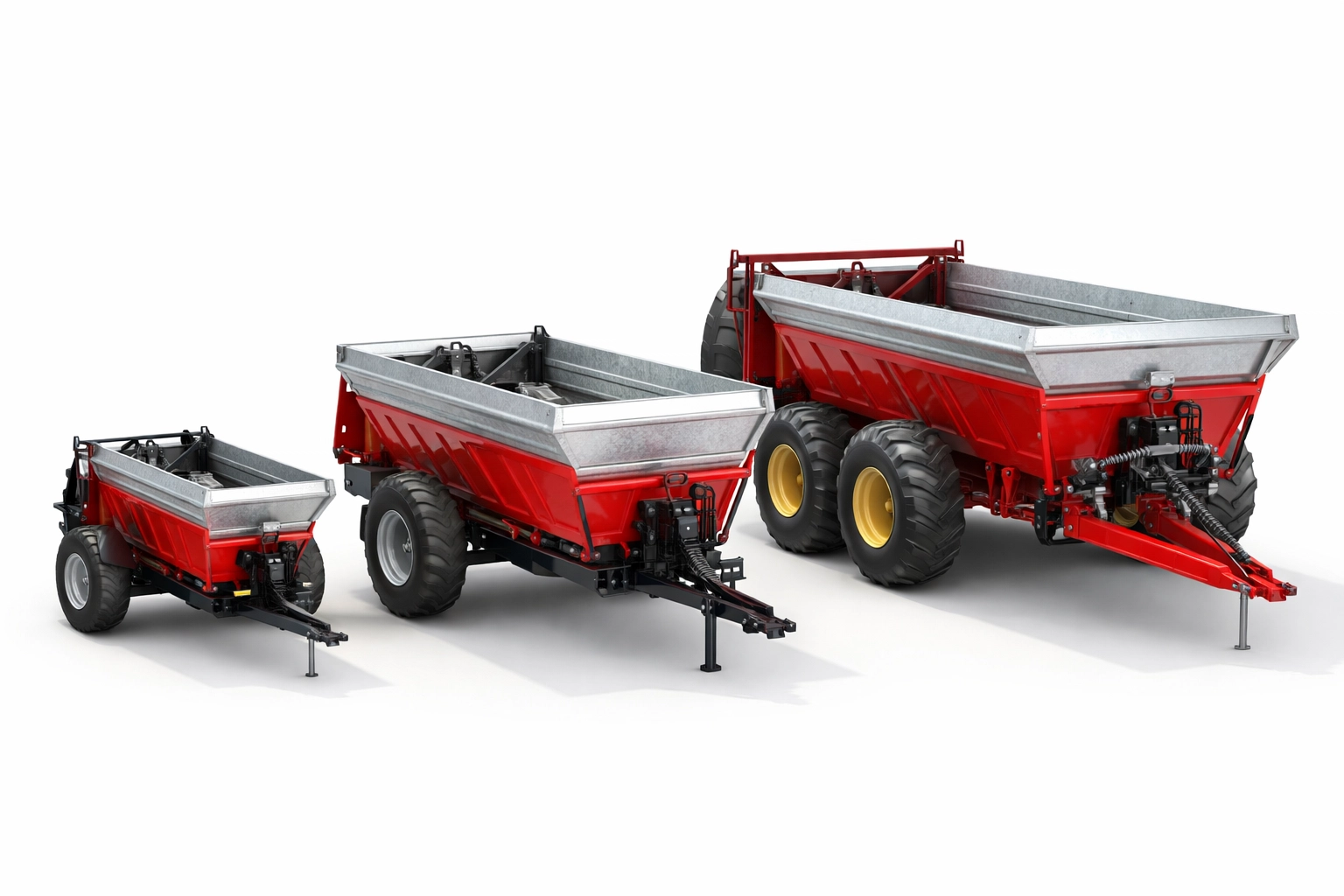
1 to 5 Horses: A small spreader under 50 cubic feet will handle most operations of this size. These compact units are easy to maneuver and can be towed by ATVs or smaller utility vehicles, making them ideal for hobby farms and smaller properties.
5 to 10 Horses: Step up to a 50 cubic foot spreader. This size gives you a bit more capacity without becoming unwieldy, perfect for mid-sized operations.
10 to 15 Horses: An 80 cubic foot spreader keeps up with the increased output while still remaining manageable for most compact tractors.
15 to 20 Horses: You will want something in the 100 to 125 cubic foot range. At this point, you are dealing with serious volume, and a properly sized spreader saves you significant time.
20 to 25 Horses: Look at 125 cubic feet or larger. Operations of this size benefit from the efficiency of fewer trips.
25 or More Horses: Consider a 175 cubic foot spreader or larger. Larger boarding facilities and breeding operations fall into this category and need equipment that can keep pace.
These are starting points. Your specific situation might call for adjustments based on other factors we will discuss below.
The Role of Your Towing Vehicle
Here is where a lot of first-time buyers run into trouble. That perfect spreader on paper becomes a problem in the field if your towing vehicle cannot handle it.
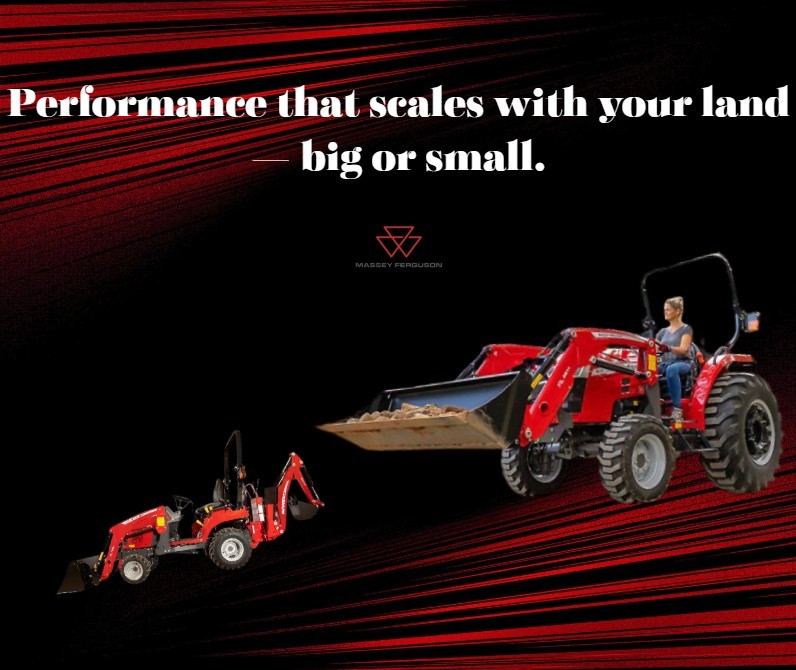
ATVs and UTVs: These work great for smaller spreaders, typically those under 25 to 30 cubic feet when loaded. Ground-driven spreaders pair particularly well with ATVs since they do not require a power take-off connection. If you have a small property with just a few horses, this setup keeps things simple and affordable.
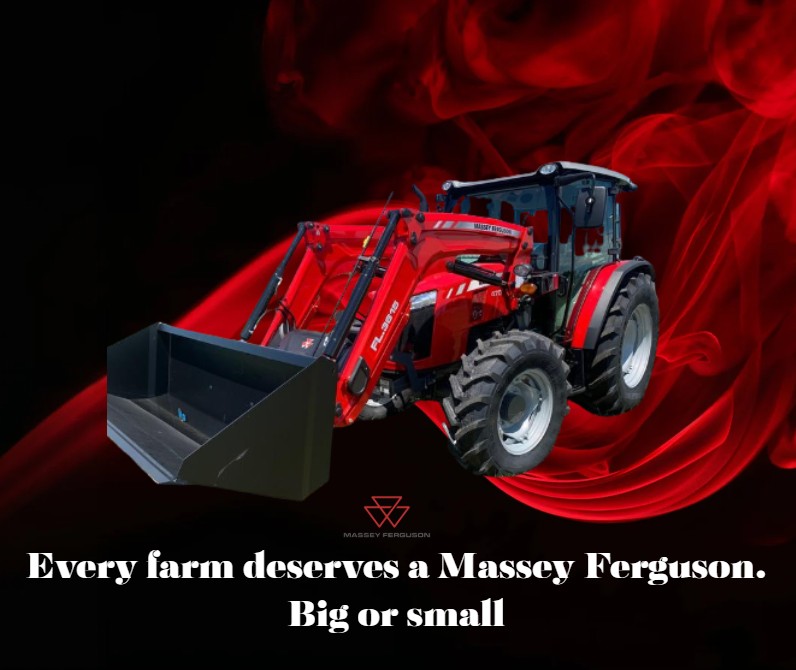
Compact Tractors: For spreaders in the 50 to 80 cubic foot range, a compact tractor is usually your best bet. These machines provide the power and stability needed for heavier loads, and most can run PTO-driven spreaders without issue. If you are shopping for compact tractors in Florida, we carry trusted brands like Massey Ferguson and TYM that pair beautifully with mid-sized spreaders.
Utility Tractors: Larger operations with spreaders over 100 cubic feet will want a utility tractor with adequate horsepower. These bigger machines handle the weight and provide the PTO power needed for efficient spreading across larger acreages.
Always check your towing vehicle's rated capacity and compare it to the loaded weight of the spreader you are considering. A spreader full of wet manure weighs considerably more than its empty weight suggests.
How Often Should You Spread?
Your spreading schedule plays a big role in choosing the right size. The general rule of thumb is to aim for emptying your spreader one to three times per week. This keeps manure from piling up while still being practical for your schedule.
If you find yourself making more than four trips per week, your spreader is probably too small for your operation. All that extra time driving back and forth adds up, and you could be doing other things around the farm.
On the other hand, if you only spread a few times per month or seasonally, a larger spreader makes sense even for smaller herds. You can collect manure over time and then cover more ground in fewer sessions.
Florida-Specific Considerations
Running a horse farm in Florida comes with its own unique challenges, and your manure management approach should account for them.
Heat and Humidity: Our warm, humid climate means manure breaks down faster, which can be both a blessing and a challenge. Faster decomposition is great for pasture health, but it also means odors and flies can become problems quickly if you let manure pile up. A properly sized spreader helps you stay on top of things before issues develop.
Rainy Season: Florida's summer rains can turn a simple spreading routine into a muddy mess. Having the right spreader and tractor combination means you can get the job done during dry windows without getting stuck or damaging your pastures.
Sandy Soils: Much of Central Florida sits on sandy soil that benefits tremendously from regular manure application. Spreading the right amount at the right intervals improves pasture quality and helps retain moisture during dry spells.
Time Savings Add Up
Let us talk about efficiency for a moment. The right sized spreader does more than just handle your manure volume. It genuinely saves you time every single week.
Consider a 10-horse operation using a spreader that is too small. Instead of making two trips per week, you might be making five or six. Each trip takes time to load, drive out to your spreading area, spread the load, and return. Over the course of a year, those extra trips could add up to dozens of hours that you could spend on other priorities.
Investing in the proper size from the start pays dividends for years to come.
Find the Right Spreader at Ocala Tractor
As a leading tractor dealer in Florida, Ocala Tractor carries a full selection of manure spreaders sized for operations of all types. Whether you have a handful of horses on a few acres or run a large boarding facility, we have farm equipment for sale in Florida that fits your needs.
We proudly offer top brands including Woods, New Holland, Massey Ferguson, and TYM. Beyond just tractors for sale, we provide rentals for those who need equipment temporarily, along with parts and repair services to keep your machines running strong.
Our team understands Florida horse farms because we work with them every day. When you visit our dealership, you will find knowledgeable staff ready to help you match the right spreader to your specific situation. We serve horse farm owners throughout Ocala, Gainesville, The Villages, Lake City, and Orlando.
If you are ready to stop making unnecessary trips across your property and start managing manure more efficiently, give us a call or stop by. We are happy to help you find the perfect spreader for your Florida horse farm.